

Our Blog
-
Solving for Complexity: The Hidden Challenges of Medical Device Packaging
Why Strategic Automation Partnerships Are Key to Quality, Compliance, and Efficiency Medical device packaging is one of the most deceptively complex aspects of the lifesciences industry. At face value, it might seem straightforward—box the product, seal it,ship it. But beneath the surface, the requirements tied to medical-grade packaging areanything but simple. As regulatory expectations rise,…
-
Project Management – The Hidden Engine of Successful Automation
There are, by some counts, thousands of automation providers and contract manufacturers just in the U.S. All of them are capable of providing brilliantly designed solutions to complex automation challenges. But brilliant design means nothing when projects run late, go over budget, or don’t meet your requirements. Project management is a critical, but often overlooked,…
-

How Value Added Value Engineering Can Drive Business Success
In today’s rapidly evolving business landscape, understanding the core principles that drive product quality and profitability is paramount. Among these principles, the concepts of Value Added Value Engineering – (VA/VE) stand out as powerful tools that companies can leverage to gain a competitive edge. And VA/VE can be a game-changer. But how do they influence…
-

Fully Automated Battery Manufacturing
With more than 20 million electric vehicles expected to hit the market by 2030, the automotive industry alone is significantly increasing demand for new products and technologies in the battery cell market. This rapid market expansion will present manufacturers with significant challenges, but to overcome these challenges, first we need to identify the critical aspects…
-
Responsive, Adaptive, Connected Manufacturing
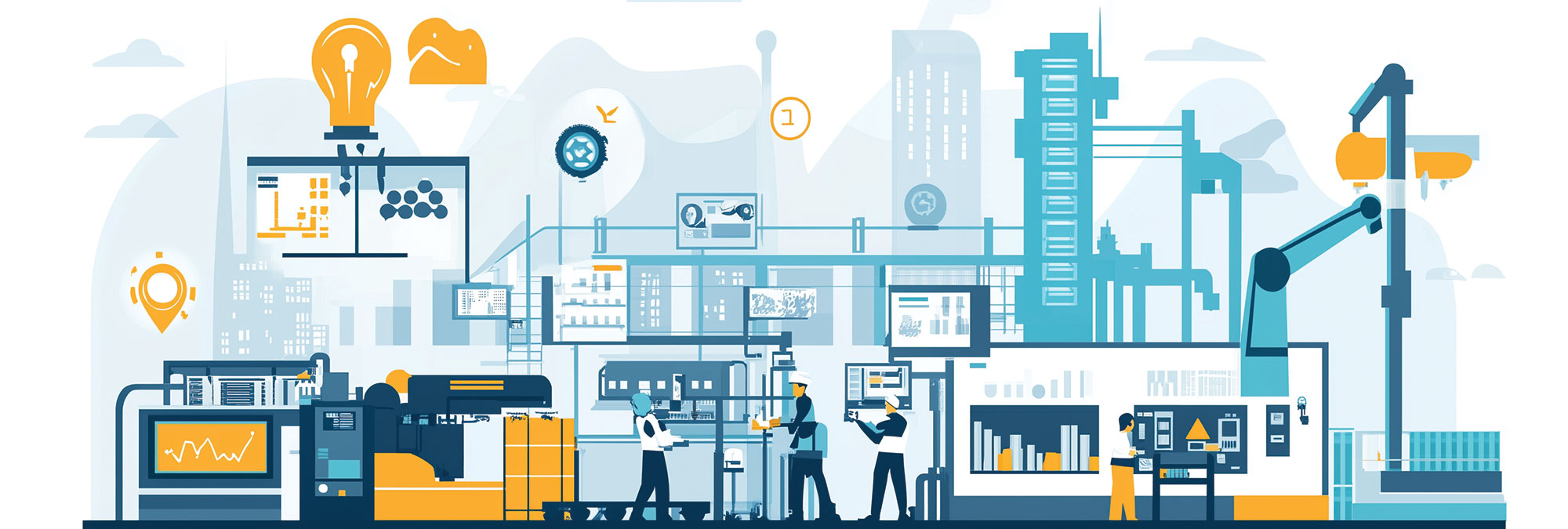
The time has come for manufacturers, big and small, to understand and embrace the evolving production models, materials, and technologies of smart factories. Industry 4.0 is helping manufacturers increase business value by enabling a more connected, cost efficient, responsive, and quality-driven production process. Centered around a heightened emphasis on digitization and connectivity, Industry 4.0 is…
-
The Journey of a Product with Contract Manufacturing
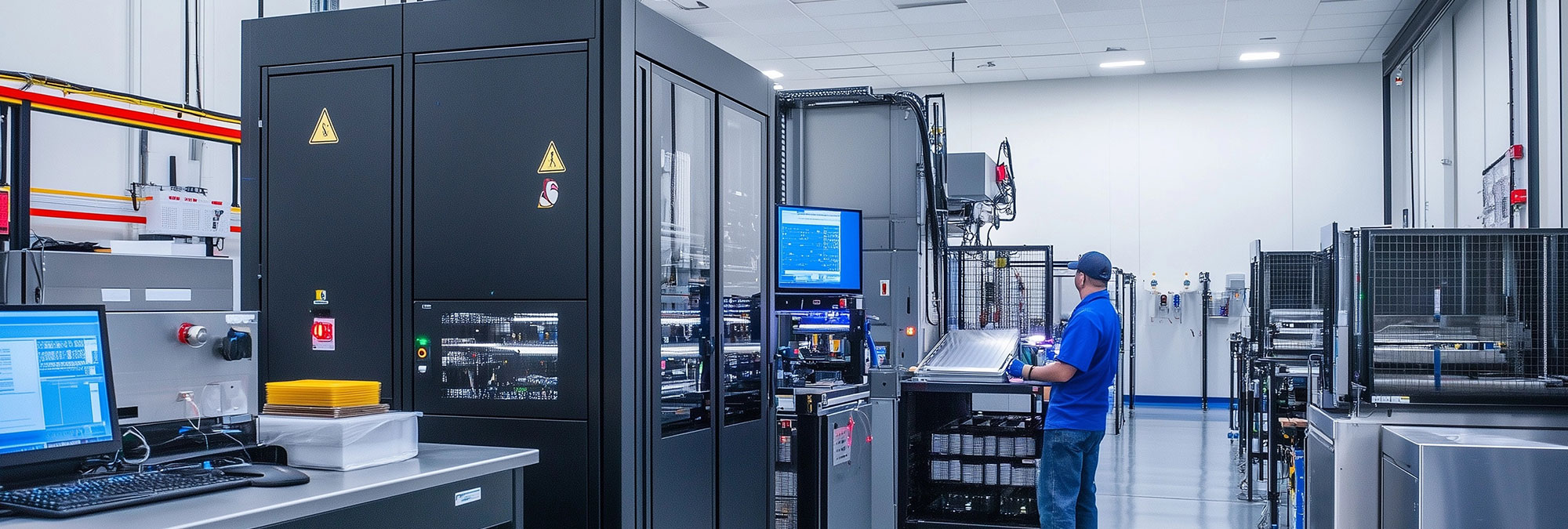
The journey of a product begins with a concept, an idea that has been vetted by customers. For products in the physical space, this idea then becomes a set of engineering drawings. At some point during its life-cycle, these drawings need to come to life. This can occur in one of two ways, the customer…
-

How Transparent is Your Contract Manufacturing Relationship?
DWFritz’s Core Values consist of 1) Act With Honesty and Integrity, 2) Find a Better Way, 3) Collaborate and Share The Credit, 4) Deliver Solutions We Can Be Proud Of, and 5) Wow the Client. We take our values to heart and apply it in our day to day business activities. Our strategy is to…
-

Cost Drivers in Contract Manufacturing
Most people are familiar with the concept of Total Cost of Ownership (TCO). TCO helps articulate the cost of owning a product or system, establish the ROI, and justify the investment. TCO calculations are usually based on unit costs and, often, these do not factor in cost drivers that stem from manufacturing operations. For any…
-

Scaling Up to a Smart Factory with Automated Assembly
Automated assembly stations provide higher productivity and product quality while lowering product cost in a fraction of the space required for conventional tooling. Staying competitive in the drive toward smart manufacturing often means fully automating assembly, packaging and inspection operations. Many manufacturers are finding that high speed, high precision assembly stations optimize production workflows while…
-
Criteria to Consider When Evaluating a Contract Manufacturer’s Competency
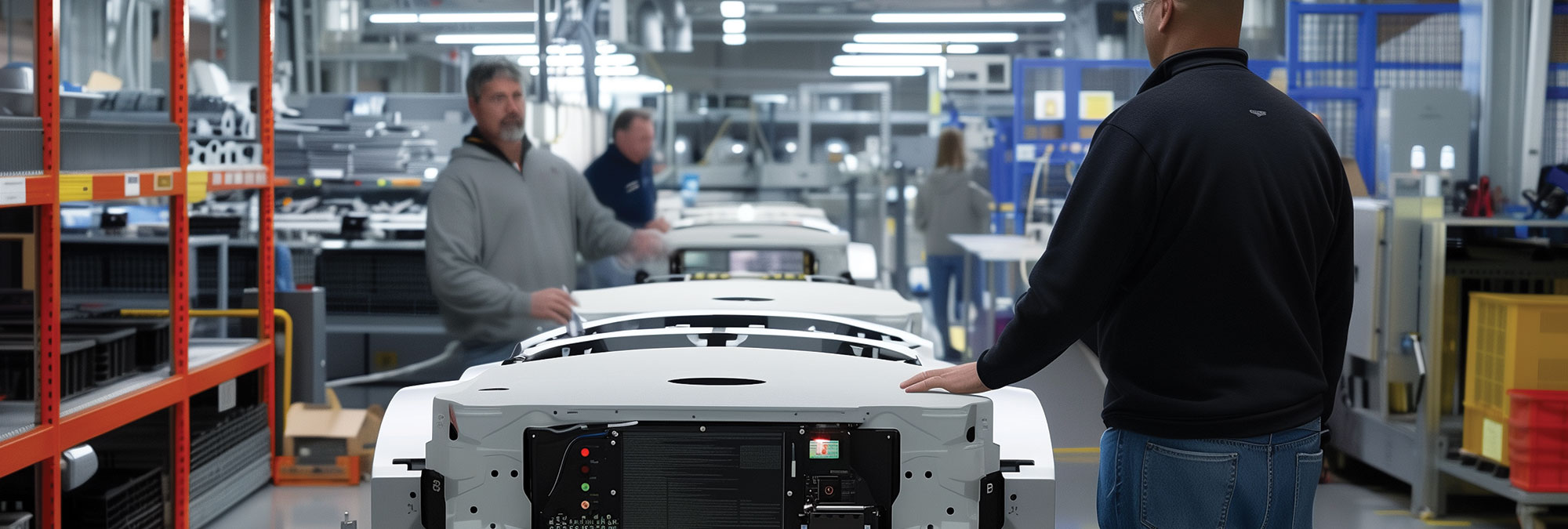
Contract Manufacturing (CM), also known as Build to Print (BTP), Copy Exact (CE), Build to Reference (BTR), or High Volume Manufacturing (HVM), is a specialized manufacturing approach wherein a company produces components, assemblies, or products strictly based on client-provided blueprints and specifications. This method allows for a high degree of precision and adherence to design…
-

Precision Dispense Solution for a Class 3 Medical Device Implant
Automated precision dispensing is an important process step in many projects we encounter specifically in the medical device, consumer electronics, semiconductor, and battery manufacturing industries. Achieving repeatability in dispensing is non-trivial mainly due to the characteristics of the liquids or suspensions used such as viscosity, surface tension, and setting times. At DWFritz, we have significant…
-

Why Material Handling Stage Design Matters
When high volume manufacturers need 100% inspection of parts, non-contact metrology stage design should not only maximize sensor use, but also easily measure different parts on the same system. Whether it’s ensuring smartphones perform to meet customer satisfaction or precision medical implants function to protect patient health, inspection in manufacturing is key to assuring product…
-
Data Integrity and The Digital Twin
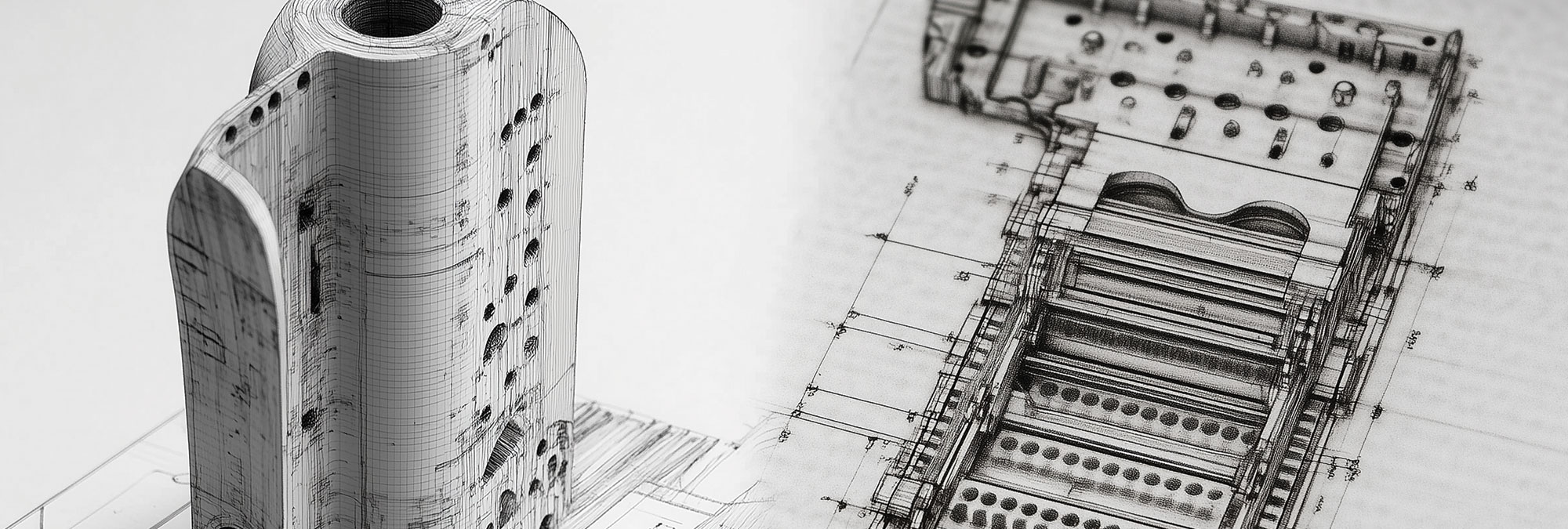
Industrial production technologies are rapidly advancing, and traditional metrology is increasingly turning to non-contact measurement techniques to keep pace. To maintain the higher throughputs required by product demands, production metrology processes are moving from the lab to the manufacturing line, which is driving the emerging trend towards inline metrology and integrated end-to-end production enabling the…
-

Risk Mitigation: From Concept to Production
Risk can be defined as the possibility that an event could adversely affect the achievement of an objective. Automating precision solutions is, in and of itself, a process of identifying, managing, and reducing risk for our clients. The “problem” isn’t taking on risky projects, but is in taking on challenging projects while actively managing the…
-
Improving Product Quality Through Automation
While automating metrology and inspection to improve product quality is not new, the reasons and goals to automate have evolved along with the technology and need. For example, inspection techniques used by contract manufacturers (low-volume/high-mix) versus conventional product manufacturers (high-volume/low-mix) are different. Furthermore, the size and the scale of manufacturing also impact the level of…
-
Five Keys to Executing a Precision Automation Project
Automating advanced manufacturing systems is a complex process that requires careful planning and execution. The right time to automate will depend on several factors, including the nature of the products being manufactured, the size and complexity of the factory, and the availability of appropriate technology and expertise. A phased approach to automation, starting with the…
-

Project Management Ensures Success of Automation Projects
Project managers are vital in planning and executing automation projects, ensuring that high speed assembly and metrology systems are delivered on time and within budget. Automating the metrology and inspection process is a complex job, from reviewing requirements to developing the proof of principle to creating a realistic timeline, and finally, to successfully executing the…
-
Six Key Reasons to Automate Your Manufacturing
Automation is synonymous with advanced manufacturing. Factory automation has been an important ingredient in not only the modern factory, but also in production environments from the past. While many factories are not fully automated, particularly among small- to mid-sized manufacturers, global competition is driving more companies to embrace factory automation to innovate, stay competitive, and…
-
Non-Contact Metrology Platform vs. Traditional CMM
Understanding the features of a non-contact metrology platform versus a traditional contact coordinate measuring machine (CMM) can help manufacturers choose the right equipment for inspection. By investing in the right inspection technology, manufacturers can improve product quality while reducing manufacturing costs. Manufacturers may perform inspection based on a sampling or 100% inspection of the parts.…
-

Improving Yield Using High Speed Non-Contact Metrology
Speed, precision measurements and real-time data from non-contact metrology platforms make a difference in reducing scrap and improving yield for high volume consumer electronics manufacturers. In contract manufacturing, 100% inspection is common, but measuring high volume consumer electronics parts for quality can be challenging. In smartphone manufacturing alone, the production volume can reach up to…
-
Benefits of Consolidating Metrology Operations into One System
Automated metrology platforms not only ensure high quality finished goods, these high speed solutions also lower total cost per part by consolidating multiple metrology operations into one system. High volume part manufacturers often have diverse process flows, and some companies may distribute metrology stations across the factory floor to perform specific measurements. This may result…
-

3 Key Benefits of an Automated Non-Contact Metrology System
In the precise world of advanced manufacturing, microns and milliseconds matter when inspecting class 3 medical devices, fitness trackers and smartphones to meet either government regulations or consumer standards. The need for 100% inspection of parts is driving the medical device, automotive and consumer electronics industries to install automated metrology systems on the factory floor.…
-
Improving Long-Term Performance of Metrology Systems
In challenging manufacturing environments, 3 key factors influence the long-term performance of automated metrology systems installed in uncontrolled environments. Developing a metrology solution that consistently meets demanding production rates, yields and uptime is not something that happens by accident. Building a solid foundation for conducting precision inline inspection for high volume production applications requires 3…
-
Measuring Complex Part Geometries
Tightening dimensions are a trend both for components and for an increasing number of parts and devices. Incorrect part dimensional measurements can lead to failure and costly recalls. Small consumer products pack an enormous amount of technology into tiny units. In smartphones and wearable devices, tolerances are tight, making overall dimensional control critical as more…
-

Contact vs. Non-Contact Surface Profiling: Speed, Accuracy, and Application Fit
Surface finish quality is a critical parameter in high-precision manufacturing. The method used to measure it has direct consequences for throughput, yield, and product integrity. In medical device manufacturing, implant surfaces must be validated for both wear-resistant smoothness and the micro-roughness that promotes osseointegration. In automotive and aerospace production, surface texture on components like cylinder…
-
Smart Cosmetic Defect Detection Increases Productivity
In high-stakes industries like aerospace, consumer electronics, and medical device manufacturing, a “minor” cosmetic flaw is rarely just aesthetic. A scratch on a femoral knee implant or a micro-crack in a smartphone’s cover glass can signal structural weakness or lead to catastrophic failure. Traditionally, inspecting complex surfaces for these flaws required “brute force” computer vision,…
-

Ensuring Pharmaceutical and Medical Inspection Compliance with Machine Vision
In the highly regulated world of medical device and pharmaceutical manufacturing, “quality control” is more than a process–it is a risk mitigation strategy. With FDA scrutiny at a 15-year high, the ability to detect microscopic defects in package seals and labeling is the difference between a successful product launch and a catastrophic Class I recall.…
-

Choosing the Right Lighting for High-Speed Precision Inspection
In high-speed manufacturing, lighting and timing are the fundamental pillars of measurement accuracy. When parts move at high velocities, even micro-millisecond delays in illumination can result in motion blur, rendering an inspection system useless. To achieve reliable results, precision automation solutions must effectively “freeze” motion using high-intensity, synchronized strobe lighting. The Science of Freezing Motion:…
-

Automated Seal Inspection Improves Reliability of Sterile Packaging
For medical device manufacturers, the integrity of a package seal is the final line of defense between a life-saving tool and a life-threatening infection. In an era where precision automation services are redefining manufacturing standards, relying on manual inspection for sterile barriers is a significant regulatory and safety liability. The Rising Risk of Packaging Failures…
-
Precision Dispensing Automation for Complex Manufacturing Applications
Executive Summary Automating precision dispensing processes presents unique challenges in high-performance manufacturing environments, especially when tolerances are tight, volumes are high, and materials are difficult to control. Precision dispensing automation refers to the controlled, repeatable application of fluids or adhesives at micron- or nanoliter-scale accuracy within an automated production system. DWFritz applies a first-principles engineering…
-
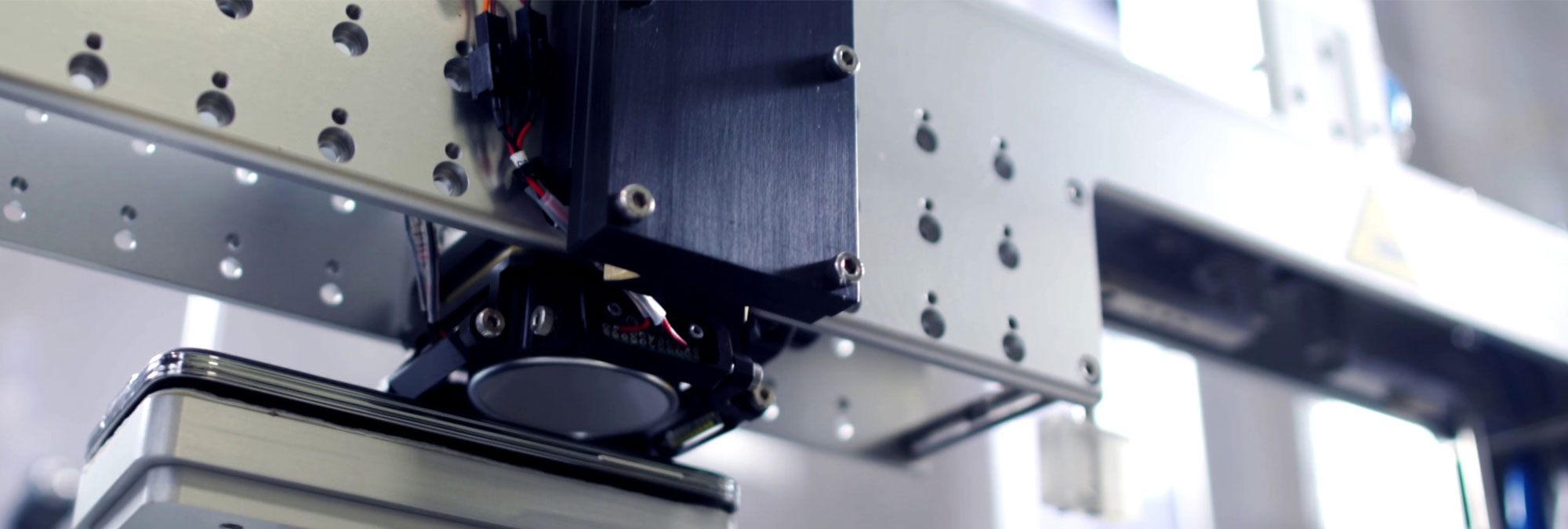
High-Speed Non-Contact Inspection: How Precision Metrology Improves Quality at Scale
Executive Summary In modern manufacturing environments, ensuring product quality at production speed is a central challenge. Traditional inspection methods often force manufacturers to choose between throughput and accuracy, slowing cycle times or relying on sampling methods that introduce risk. Non-contact metrology – a measurement approach using optical or sensor-based technologies that capture part dimensions without…


